

Bladder Problems: Overactive Bladder & Incontinence Explained
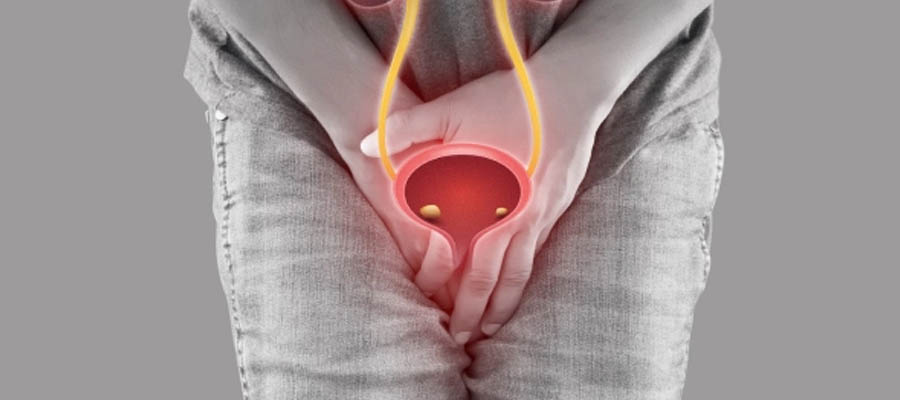
Bladder problems are more common than many people realize — yet most patients feel embarrassed to talk about them. Conditions like Overactive Bladder (OAB) and Urinary Incontinence can affect both men and women, especially after the age of 35–40. The good news? These conditions are treatable, and early medical guidance can greatly improve quality of life.
At Shanti Madan Hospital, we regularly meet patients who waited too long simply because they didn’t know their symptoms required medical attention.
Let’s understand these conditions in simple terms.
What is Overactive Bladder (OAB)?
Overactive bladder is a condition where you feel a sudden, uncontrollable urge to urinate. Even if the bladder is not full, the urge can feel urgent and frequent.
Common Symptoms:
• Frequent urination (more than 8 times a day)
• Sudden strong urge to urinate
• Waking up multiple times at night to urinate
• Leakage before reaching the toilet
OAB is not a disease — it’s a symptom of an underlying issue affecting bladder muscles or nerves.
What is Urinary Incontinence?
Urinary incontinence means loss of bladder control. It may range from occasional leakage to complete inability to control urination.
Types of Incontinence:
1. Stress Incontinence
Leakage when coughing, sneezing, laughing, or lifting heavy objects.
2. Urge Incontinence
Strong sudden urge followed by leakage.
3. Overflow Incontinence
Bladder doesn’t empty properly, leading to frequent dribbling.
4. Mixed Incontinence Combination of stress and urge symptoms.
Why Do These Problems Happen?
Several factors can cause bladder issues:
• Aging
• Enlarged prostate in men
• Weak pelvic floor muscles
• Childbirth (in women)
• Urinary tract infections
• Diabetes
• Neurological disorders
• Excess caffeine intake
Ignoring symptoms may worsen the condition over time.
When Should You See a Specialist?
You should consult a urologist if:
• You experience leakage regularly
• Urination interrupts your sleep frequently
• You feel pain or burning during urination
• You notice blood in urine
• Symptoms affect daily life or confidence
Early evaluation can prevent complications and rule out serious conditions like bladder infections or prostate enlargement.
How Are These Conditions Treated?
Treatment depends on the cause and severity.
Non-Surgical Options:
• Lifestyle modifications
• Bladder training exercises
• Pelvic floor exercises (Kegels)
• Medications
• Fluid management guidance
Advanced Treatments:
• Minimally invasive procedures
• Laser therapies
• Surgical correction (if needed)
At Shanti Madan Hospital, modern diagnostic tools and personalized treatment plans help patients regain control and confidence.
Simple Lifestyle Tips for Better Bladder Health
✔ Stay hydrated but avoid excessive caffeine
✔ Maintain a healthy weight
✔ Practice pelvic floor exercises
✔ Avoid holding urine for long periods
✔ Seek early medical advice
Final Thoughts
Bladder problems are common - but they are not something you have to live with silently. If frequent urination, urgency, or leakage is affecting your daily life, it’s time to consult a specialist.
Getting help early can prevent complications and restore comfort, confidence, and peace of mind.

13 Sept, 2026 | Varicocele & Male Infertility
03 April, 2026 | Kidney Infection
08 March, 2026 | Bladder Problems

11 August, 2025 | Low Testosterone vs Prostate Cancer
8 July, 2025 | UTIs in Women
9 June, 2025 | Prostate
20 May, 2025 | Kidney Stone